8:12 a.m. Operations calls with a simple request: “Can we shave unit cost before the next run?” The product did not change. The artwork is approved. What changes is the grid behind it. When we standardize sizes and components, every sheet, roll, and die starts paying us back.
What’s Really Going On
Printers buy paper and film in fixed widths. Dies have fixed chase sizes. Converting lines love repeatable footprints. When SKUs grow one by one without a plan, layouts leave air on the sheet and minutes on the line. Air and minutes are money.
The Practical Fix (Production Savvy)
Build a size ladder. Define 3 to 5 master footprints that cover 80% of your range. Map current SKUs onto the ladder and retire outliers over time.
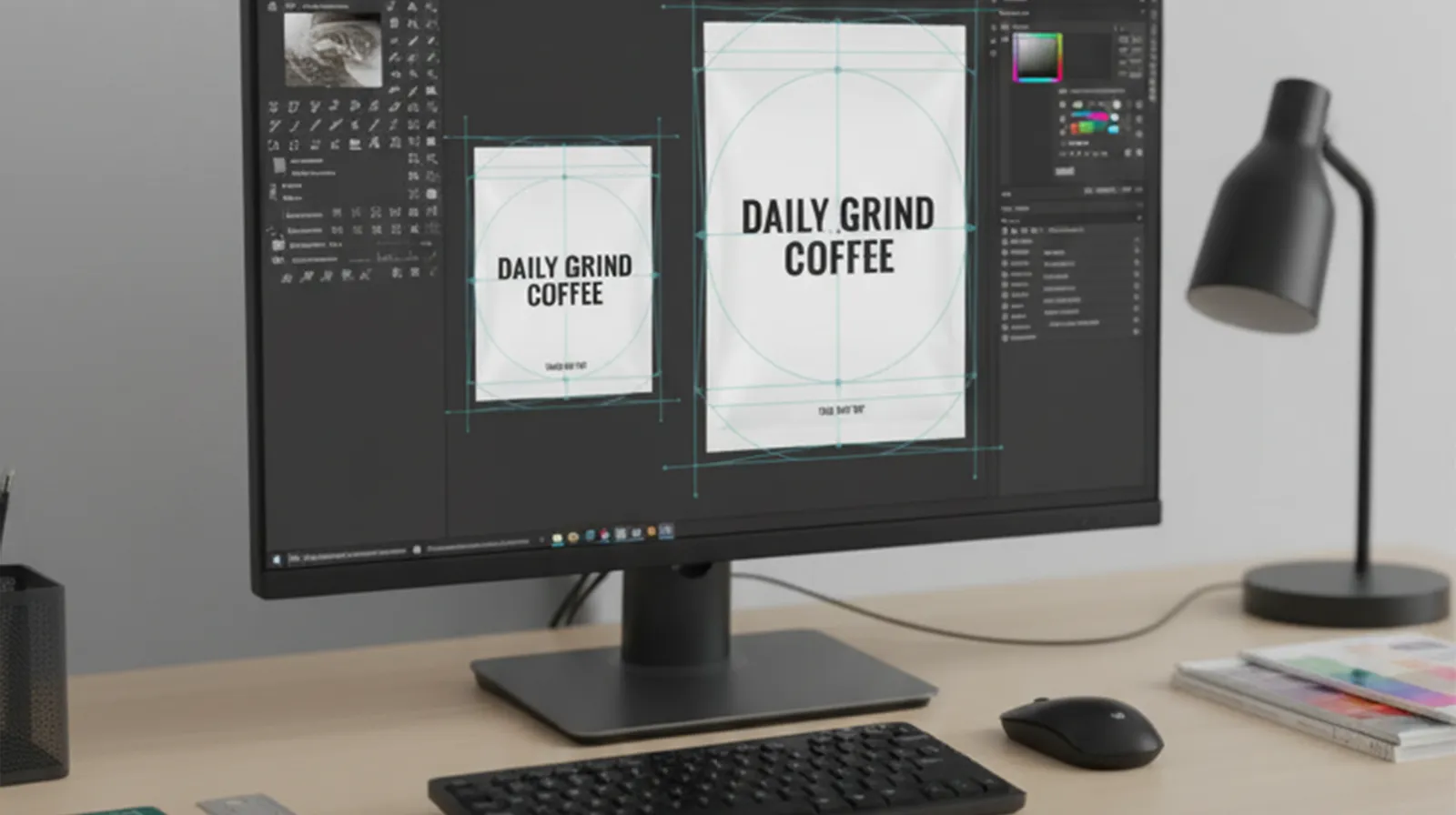
Design to the sheet. For cartons, test impositions at common sheet sizes and grains. For labels, group widths to match roll stock and die stations. A clean dieline plus bleed protects the edge – if you need a refresher, see Dielines & bleed.
Share components. Same tuck style, same glue flap, same closure – your line crews set up faster and waste less stock during make ready.
Lock common zones. Keep branding, claims, and regulatory blocks in the same places across the ladder so variants swap with minimal rework.
Quote apples to apples. Ask vendors to price the ladder sizes with quantity breaks. You will see where the real jumps happen – more in Unit cost math 101.
When to keep an outlier. If retail fixtures or product engineering force a unique size, keep it – but tie it to a compatible board caliper or label width so it still runs efficiently.
Short Term Wins (This Week)
- Cleaner quotes – vendors price standard footprints instead of one offs.
- Fewer dielines – less prepress time and fewer errors.
- Better sheet yield – immediate material savings without touching design intent.
Long Term Wins (This Quarter or Year)
- Lower average unit cost at volume breaks – less make ready, faster changeovers.
- Easier range extensions – new SKUs drop into existing footprints.
- Stronger shelf consistency – a family that looks related without forcing the product.
Final Thought
Standardization is not about making all packs look the same – it is about teaching your system to print smart. Pick a ladder, share parts, and design to real sheet sizes. You will spend less and launch faster, with a shelf that feels calm and consistent.