8:41 a.m. A founder forwards a supplier email that promises “100% eco” if we switch the carton stock and add a leaf icon. It sounds good in a meeting. On the line and on shelf, the picture is different. Sustainability is not a label – it is a set of decisions that reduce waste in design, production, and logistics. When we treat it that way, we cut cost and footprint at the same time.
What’s Really Going On
Myth 1: One “green” substrate solves everything. Reality: each material shifts print behavior, waste, and durability. Uncoated fibers can look warm but may scuff; kraft lowers contrast; films can be ultra efficient when labels are small and products are wet or cold.
Myth 2: Recyclable equals sustainable. Reality: the best pack is the one you do not scrap. A recyclable material that causes misprints or barcode failures will cost more and create more waste than a correctly specified alternative.
Myth 3: Big redesigns are the only path. Reality: small, standardised components and tight file hygiene save more in a year than a single heroic change.
Ethical note: production guidance, not legal advice. Confirm local regulations and retailer requirements.
The Practical Fix (Production-Savvy)
Design for distance first. If the front panel reads clearly at three meters, you avoid over-inked fixes later. A strong hierarchy and calm copy reduce redraws and reprints.
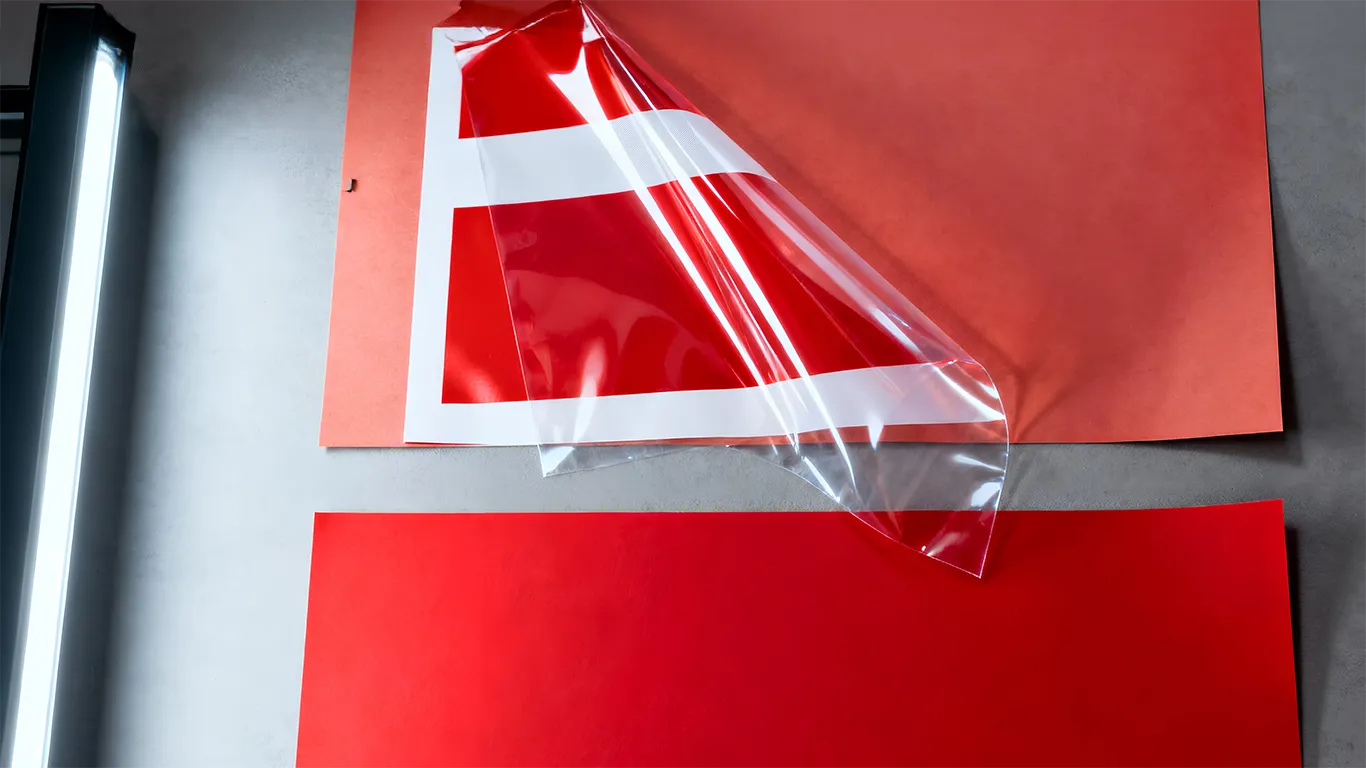
Choose honest materials for the job. If you need scuff resistance, add a matte overprint varnish instead of over-inking. If you print on clear or metallic, plan a WHITE_UNDERPRINT where you want true brand color and leave windows at 0% white where you want transparency. A primer on finishes is here: Materials & finishes that do the selling for you.
Standardise sizes and components. Shared dielines and common label sizes improve sheet yield and reduce make-ready. You save paper, ink, and time.
Avoid scrapping good stock. For small, safe changes, use an over-label to salvage inventory; reprint when structure or compliance changes. Details: Over-Label or Full Reprint?
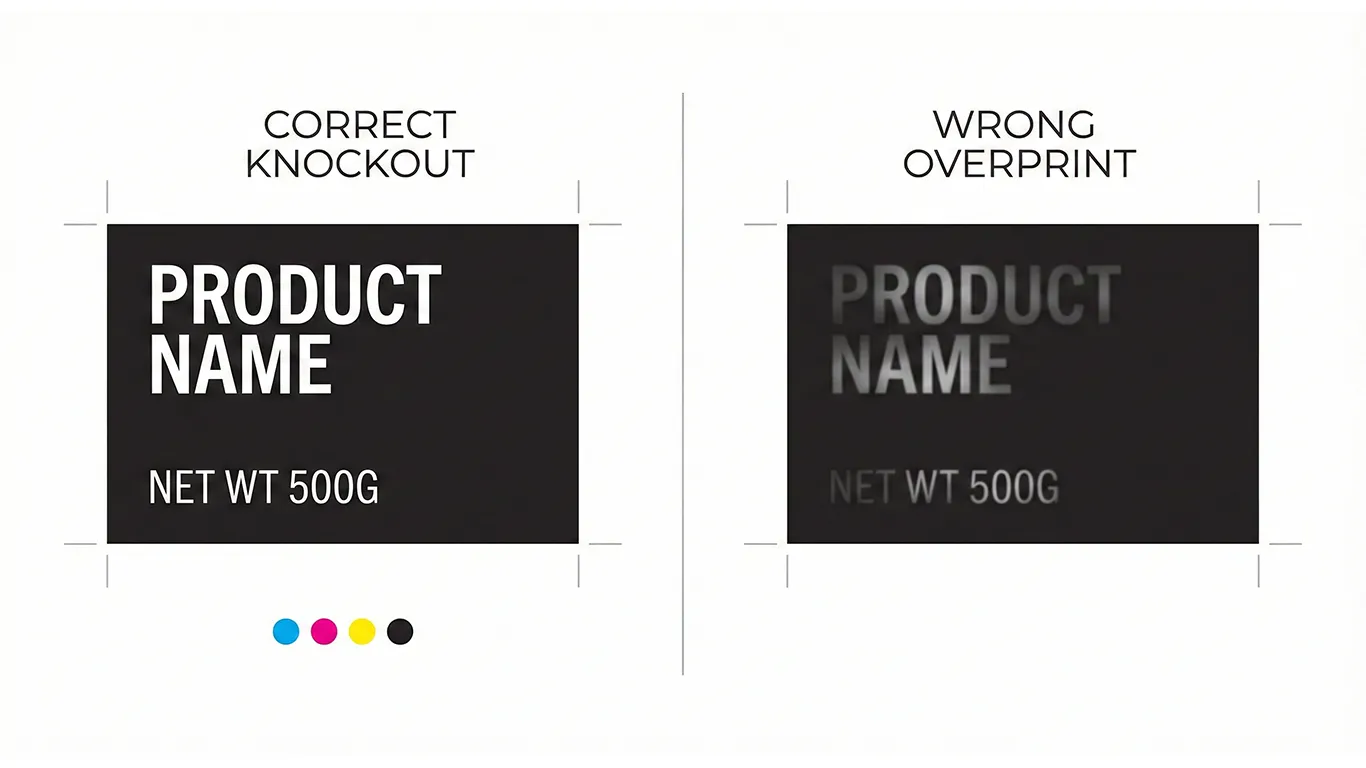
Lock a clean hand-off. Export a 3-page PDF so prepress does not guess: Page 1 art + dielines as spot strokes set to Overprint; Page 2 art-only for RIP; Page 3 diecut-only for cut or crease or perf or glue. Clean files prevent avoidable waste.
Proof under the light you sell under. Approve at actual size under retail LEDs. If it lives cold, do a quick fridge test. Accurate approvals prevent “fix it on press” overruns. If lighting often trips your team, this helps: Daylight vs Store Light.
Short-Term Wins (This Week)
- Less guesswork – you pick materials and finishes that match the product and the line.
- Fewer reprints – calm hierarchy and clean files reduce on-press surprises.
- Lower scrap – over-label for micro updates instead of pulping good stock.
- Faster vendor quotes – one standard dieline, one clear export, fewer emails.
Long-Term Wins (This Quarter or Year)
- Lower average unit cost through better yields and fewer make-readies.
- Stronger shelf consistency across substrates, which means fewer redesigns.
- Clear specs that new vendors can run without waste.
- Real sustainability – less material in the bin, less freight of air, fewer emergency reruns.
Final Thought
Sustainable packaging is a system, not a sticker. Choose materials for how they perform, keep components standard, approve in real light, and hand off clean files. You will spend less, waste less, and look better on shelf.
Want a calm sustainability tune-up? Book a quick audit – we will review materials, yields, and exports, then map small changes that cut waste and cost.